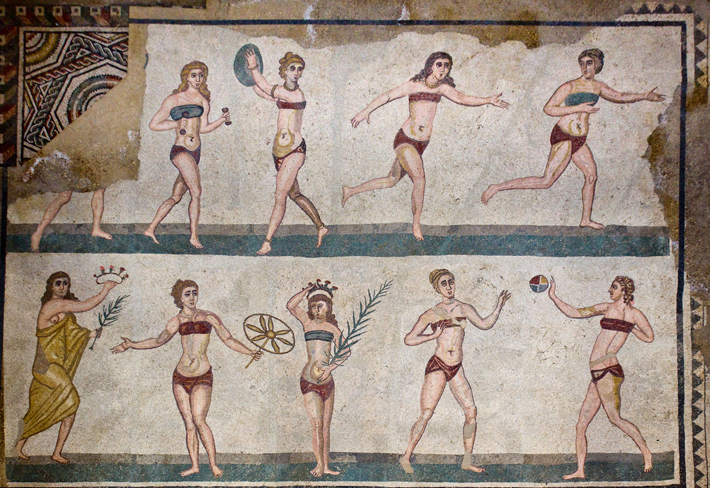
The history of exercise spans millennia, evolving from practical activities for survival to structured routines for health and fitness. Early humans engaged in physical activity for hunting, gathering, and defense. In ancient Greece, physical fitness was valued, leading to the development of the gymnasium. The Renaissance saw a renewed interest in health and exercise, while the Industrial Revolution brought changes in daily activities.
The 20th century witnessed the rise of organized sports and modern fitness movements. Jack LaLanne, considered the “godfather of fitness,” popularized exercise through TV. The 1980s aerobic craze and the 21st-century focus on holistic wellness further shaped the exercise landscape, blending tradition and innovation. Today, diverse forms of exercise cater to various preferences and goals.
When did the exercise begin?
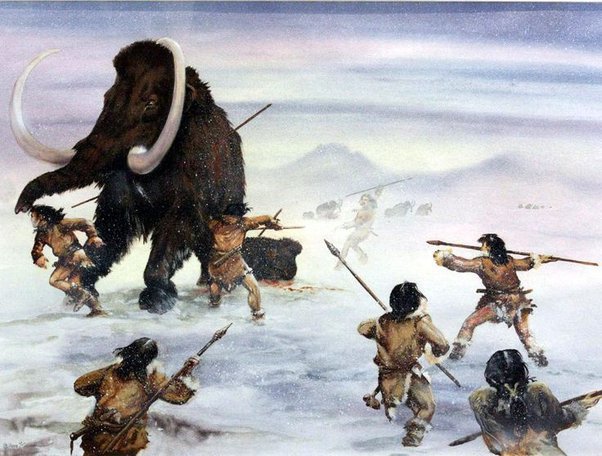
Exercise, in its most primitive form, began with early humans engaging in physical activities for survival, such as hunting, gathering, and basic forms of mobility. These activities were essential for maintaining life and securing resources. The transition from these instinctive movements to more intentional and structured forms of exercise is challenging to pinpoint, as it happened gradually over thousands of years.
Ancient civilizations, like the Greeks, played a significant role in shaping the concept of exercise. The ancient Olympic Games in Greece (776 BCE) included physical competitions, emphasizing the importance of physical prowess. The Greeks also established gymnasiums for training the body and mind.
So, while the roots of exercise trace back to our ancestors’ daily activities, the intentional practice of structured exercise has a long and varied history, evolving across cultures and time periods.
Which country is believed to have started the first exercise in the world?
The ancient Greeks are often credited with laying the foundations for organized exercise. In ancient Greece, physical fitness was highly valued, and activities like running, wrestling, and discus throwing were integral parts of their culture. The Greeks developed gymnasiums for physical training, and the concept of the Olympic Games, starting in 776 BCE, emphasized athletic competition and fitness.
While other cultures and civilizations also engaged in physical activities for survival and sport, the ancient Greeks are frequently recognized for their significant contributions to formalizing and promoting exercise as a cultural and educational practice.
Who is believed to have come up with the first idea of exercise ?
It’s challenging to attribute the concept of exercise to a single individual, as physical activity for survival and ritualistic purposes has likely been part of human history since prehistoric times. However, in terms of organized physical training, ancient Greek culture played a pivotal role.
The Greeks, particularly in the city-states like Athens, emphasized the importance of physical fitness. The idea of exercise, including activities like running, wrestling, and gymnastics, was ingrained in their education and societal values. While it’s not attributed to a specific person, figures like Hippocrates and the broader cultural influence of ancient Greek philosophers and athletes contributed to the early conceptualization and promotion of exercise.
History of Exercise in India
The history of exercise in India is rich and diverse, with traditional practices dating back thousands of years. Yoga, one of the most well-known forms of exercise originating in India, has ancient roots and is mentioned in ancient texts like the Rigveda. Yoga emphasizes physical postures (asanas), breath control (pranayama), and meditation for holistic well-being.
Traditional Indian systems like Ayurveda have long recognized the importance of physical activity for maintaining health. Ancient Indian martial arts, such as Kalaripayattu, also contributed to physical fitness and combat training.
During the British colonial period, Western influences brought in sports like cricket and organized physical education in schools. Post-independence, there has been a mix of traditional and modern approaches to exercise. The government’s promotion of sports and fitness initiatives, combined with the global popularity of yoga, has contributed to a renewed focus on physical well-being in contemporary India.
Today, India has a vibrant fitness culture with a blend of traditional practices and modern exercise trends, reflecting a holistic approach to health and wellness.
 Helth and Fitness