Exercise is necessary for a variety of reasons, both physical and mental. It is one of the most important things you can do for your overall health and well-being.
Here are some of the key benefits of exercise
Physical benefits
Reduces your risk of chronic diseases
Exercise can help to prevent or delay the onset of many chronic diseases, such as heart disease, stroke, type 2 diabetes, some types of cancer, and osteoporosis.
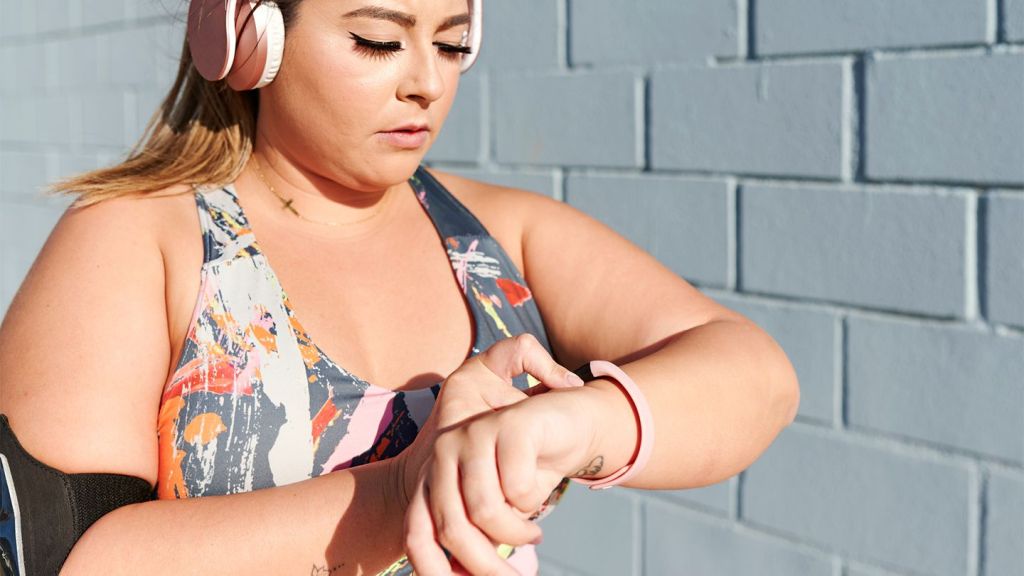
Helps you manage weight Exercise burns calories, which can help you to lose weight or maintain a healthy weight.
Improves your sleep Regular exercise can help you to fall asleep faster, sleep more soundly, and wake up feeling more refreshed.
Improves your muscle strength and endurance Exercise helps to build and strengthen your muscles, which can improve your ability to perform everyday activities. It also increases your endurance, so you can exercise for longer periods without getting tired.
Boosts your energy levels Exercise can help you to feel more energized and less tired throughout the day.
Improves your bone health Exercise helps to build strong bones, which can reduce your risk of osteoporosis and fractures.
Reduces your risk of falls Exercise can help to improve your balance and coordination, which can reduce your risk of falls.
Mental benefits
Reduces stress and anxiety
Exercise can help to reduce stress and anxiety by releasing endorphins, which have mood-boosting effects.
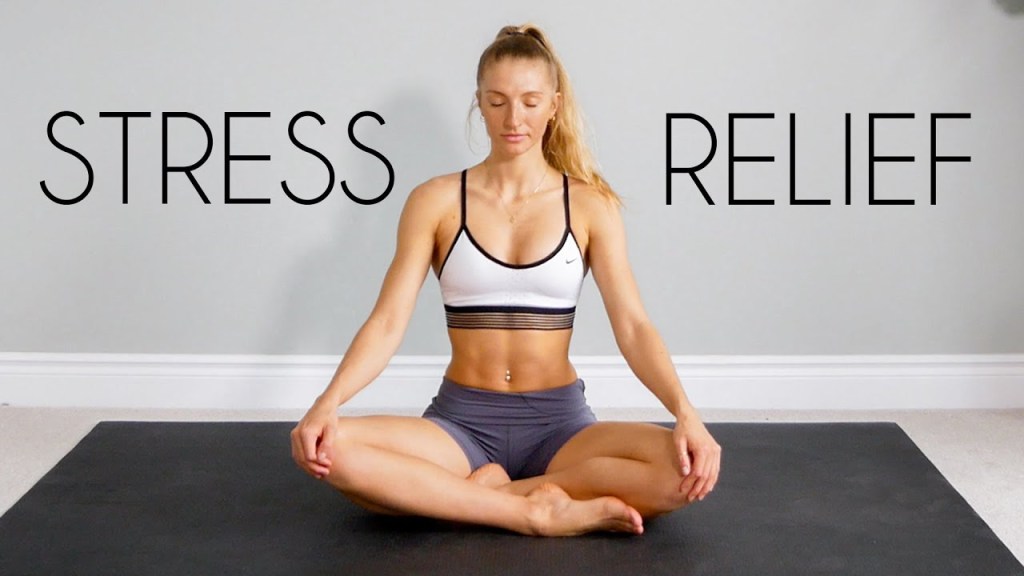
Improves your mood
Exercise can help to improve your mood and reduce symptoms of depression.
Reduces your risk of dementia Exercise may help to reduce your risk of developing dementia, such as Alzheimer’s disease.
Boosts your self-esteem Exercise can help you to feel better about yourself and your body.
Improves your cognitive function Exercise can help to improve your memory, concentration, and learning ability.
Overall, exercise is essential for a healthy body and mind. Aim for at least 30 minutes of moderate-intensity exercise most days of the week. If you are new to exercise, start slowly and gradually increase the intensity and duration of your workouts.
Here are some additional tips for getting started with exercise
- Find an activity that you enjoy. This will make it more likely that you will stick with it.
- Start with a goal that is achievable. For example, you might start by aiming to walk for 10 minutes three times a week.
- Find a workout buddy. Having someone to exercise with can help you stay motivated.
- Make exercise a regular part of your routine. Schedule time for exercise each day, just like you would schedule time for work or other appointments.
- Make it fun! There are many ways to make exercise fun. Try listening to music, watching TV, or exercising outdoors.
 Helth and Fitness