What should be considered before starting running?
Things to consider before starting a run(Photo credit to photographer)
Indeed, before starting a running routine, it’s important to consider your overall health and fitness level. If you’re new to running or haven’t exercised in a while, it’s advisable to consult with a healthcare professional, especially if you have any existing health concerns.
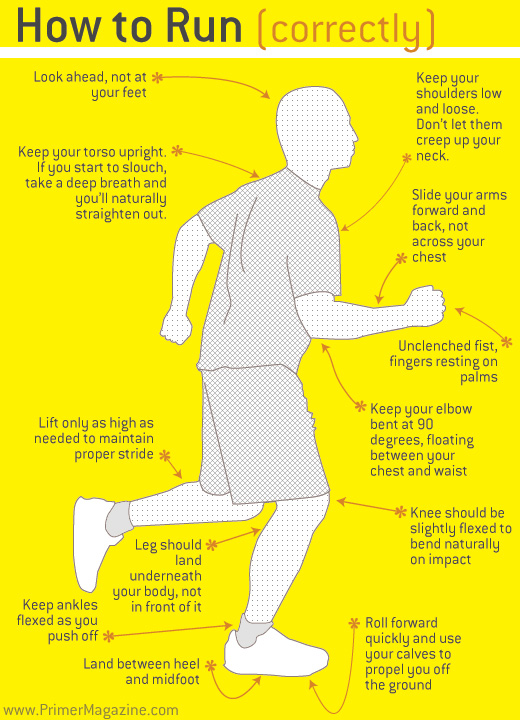
Gradual progression is key when starting any exercise program, including running. Begin with shorter distances and lower intensity to allow your body to adapt and reduce the risk of injuries. Wearing proper footwear and paying attention to your form can also contribute to a safer running experience.
Listening to your body, incorporating rest days, and gradually increasing the intensity and duration of your runs can help you build a sustainable and enjoyable running routine. If you have specific health conditions or concerns, seeking guidance from a fitness professional or healthcare provider is recommended to ensure a safe and effective start to your running journey.
Keep this in mind before you start running.
When starting a running routine, consider the following tips
Start Gradually: If you’re new to running or returning after a hiatus, start with a walk/run approach. Begin with shorter durations and lower intensities to allow your body to adapt and minimize the risk of injuries.
Proper Footwear: Invest in a pair of running shoes that provide proper support and cushioning. Ill-fitting or worn-out shoes can contribute to discomfort and increase the risk of injuries.
Warm-up and Cool Down: Incorporate warm-up exercises before your run to prepare your muscles and joints. Include stretches and a cool-down routine afterward to aid in recovery.
Listen to Your Body: Pay attention to any signs of pain or discomfort. If you experience persistent pain, it’s essential to rest and, if necessary, seek guidance from a healthcare professional.
Hydration and Nutrition: Stay hydrated before, during, and after your run. Consider your nutritional needs to support your energy levels and recovery.
Rest and Recovery: Include rest days in your running routine to allow your body to recover. Overtraining can lead to fatigue and increase the risk of injuries.
Cross-Training: Include variety in your fitness routine with activities like strength training, yoga, or cycling to improve overall fitness and reduce the risk of overuse injuries.
Setting Realistic Goals: Establish achievable goals based on your fitness level. Gradually increase the distance and intensity as your strength and endurance improve.
Everyone’s fitness journey is unique. Listen to your body, stay consistent, and enjoy the process of gradually building your running routine. If you have any specific concerns or goals, consider seeking guidance from a fitness professional for personalized advice.
Extra

    One highly regarded and popular book on exercise is "Born to Run" by Christopher McDougall. It explores the culture of long-distance running, delving into the history, science, and personal narratives associated with running. While it may not provide a traditional exercise regimen, it offers insights into the human capacity for running and the joy of the activity. The book has gained popularity for its engaging storytelling and the inspiration it provides to both seasoned runners and those considering taking up the activity.